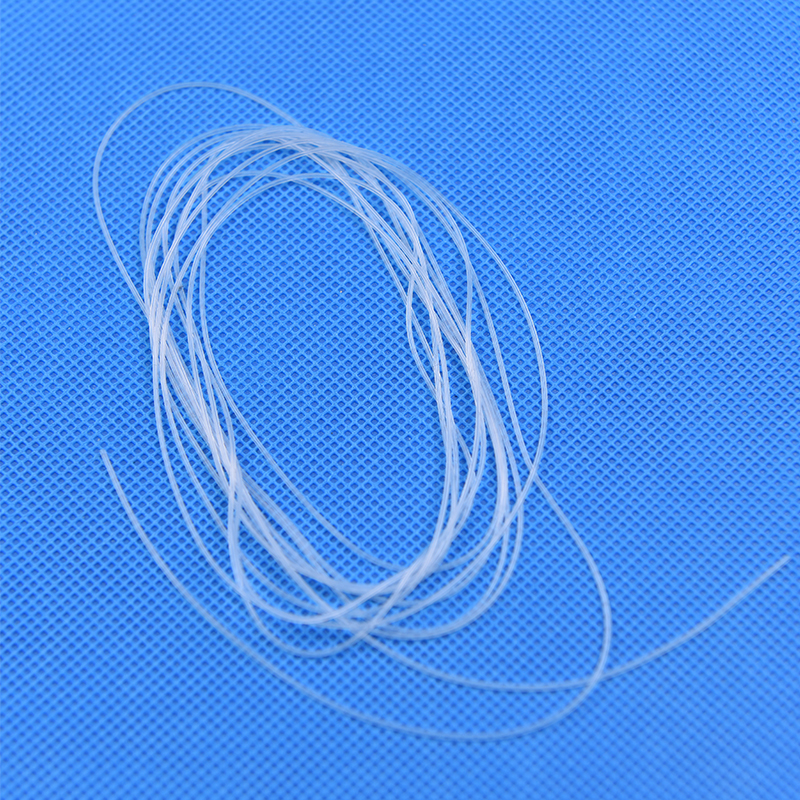
Hydrocephalus, often referred to as "water on the brain," is a complex neurological condition characterized by the abnormal accumulation of cerebrospinal fluid (CSF) within the brain's ventricles. If left untreated, this excess fluid can exert pressure on brain tissue, leading to a range of neurological impairments. The primary treatment for hydrocephalus involves surgical implantation of a drainage system, commonly known as a shunt, to divert the excess CSF to another part of the body where it can be absorbed. The material used for these life-saving shunts is critical, and medical-grade silicone has emerged as the overwhelmingly preferred choice. This article will delve into the reasons why silicone is indispensable for hydrocephalus drainage systems, focusing on its unique properties that ensure patient safety and long-term efficacy.

The Critical Role of Shunts in Hydrocephalus Management
A hydrocephalus shunt system typically consists of three main components:
A Ventricular Catheter: Placed in the brain's ventricle to drain CSF.
A Valve Mechanism: Regulates the flow of CSF and maintains appropriate intracranial pressure.
A Distal Catheter: Drains the CSF to another body cavity, most commonly the peritoneal cavity (ventriculoperitoneal shunt) or the right atrium of the heart (ventriculoatrial shunt).
Given that these systems are implanted for extended periods, often for a patient's lifetime, the material choice is paramount. It must be biocompatible, durable, flexible, and resistant to degradation within the body.
Why Medical-Grade Silicone is the Preferred Material
Medical-grade silicone possesses a unique combination of properties that make it ideally suited for the demanding requirements of hydrocephalus drainage systems:
1. Superior Biocompatibility
This is the most critical factor for any implantable medical device. Medical-grade silicone is highly inert and non-reactive with human tissues and bodily fluids. It minimizes the risk of foreign body reactions, inflammation, allergic responses, or rejection by the body. This exceptional biocompatibility ensures that the shunt can remain safely implanted for many years without causing adverse effects, which is vital for chronic conditions like hydrocephalus.
2. Flexibility and Softness
Silicone is inherently soft and flexible, allowing the catheters to conform to the delicate anatomical structures of the brain and other body cavities without causing trauma or irritation. This flexibility is crucial during implantation, as it reduces the risk of tissue damage. Once implanted, the softness of silicone minimizes pressure on surrounding tissues, enhancing patient comfort and reducing the likelihood of erosion or pressure sores.
3. Durability and Longevity
Hydrocephalus shunts are designed for long-term implantation. Silicone exhibits excellent resistance to degradation from bodily fluids, temperature fluctuations, and mechanical stress (such as repeated bending and compression). This durability ensures the shunt system maintains its structural integrity and functional performance over many years, reducing the need for revision surgeries.
4. Resistance to Kinking and Occlusion
The flexibility and elasticity of silicone help prevent the catheters from kinking or collapsing, which could lead to shunt malfunction and CSF flow obstruction. While shunt blockages can still occur due to biological factors (e.g., protein accumulation, cellular debris), silicone's smooth surface and non-adherent properties help to mitigate these risks compared to other materials.
5. Sterilization Compatibility
Silicone can withstand various sterilization methods commonly used for medical devices, including steam (autoclave), ethylene oxide (EtO), and gamma irradiation, without compromising its physical or chemical properties. This ensures that the implanted shunt is completely sterile, minimizing the risk of post-operative infection.
6. Design Versatility
Silicone can be precisely molded and extruded into complex designs, allowing for the creation of various catheter sizes, valve configurations, and specialized components required for different patient needs and surgical approaches. This design flexibility is essential for optimizing shunt performance and addressing individual patient anatomies.

Jinan Chensheng Medical: Expertise in Hydrocephalus Drainage System Components
At Jinan Chensheng Medical Silicone Rubber Product Co., Ltd., we recognize the profound importance of high-quality materials in life-saving medical devices like hydrocephalus drainage systems. As a specialized enterprise with a long history in producing medical macromolecular products, we are uniquely positioned to provide superior silicone components for these critical applications.
Our Manufacturing and Product Advantages for Hydrocephalus Systems:
Certified Medical-Grade Silicone: We utilize only the purest medical-grade silicone, rigorously tested to meet and exceed international standards such as USP Class VI and ISO 10993 for biocompatibility, ensuring the utmost safety for long-term implantation.
Precision Manufacturing: Our state-of-the-art facilities employ advanced molding and extrusion technologies to produce silicone components with precise dimensions and consistent quality, crucial for the reliable function of shunt systems.
Rigorous Quality Control: Our stringent quality management system, backed by eight registered certificates for medical apparatus and instruments, ensures that every component, including those for hydrocephalus drainage apparatus, adheres to the highest standards of reliability and safety.
Customization Capabilities: We offer extensive customization services, working closely with medical device manufacturers to design and produce bespoke silicone components that perfectly integrate with their innovative shunt designs, optimizing functionality and accelerating development.
Experience and Reliability: With decades of experience and a reputation as the first assigned enterprise in the domestic market by the former National Medicine Management Bureau, we are a trusted partner for critical medical device components.
By partnering with Jinan Chensheng Medical, manufacturers of hydrocephalus drainage systems can be confident in sourcing silicone components that meet the most demanding requirements for patient safety, long-term performance, and regulatory compliance. We are dedicated to supporting advancements in neurosurgery and improving the lives of patients with hydrocephalus.

Conclusion
Medical-grade silicone is the material of choice for hydrocephalus drainage systems due to its unparalleled biocompatibility, flexibility, durability, and resistance to degradation. These properties are fundamental to ensuring the long-term safety and efficacy of shunts, which are vital for managing hydrocephalus and improving patient quality of life. For manufacturers seeking reliable, high-quality silicone components for these critical medical devices, partnering with an experienced and certified supplier like Jinan Chensheng Medical is essential. We invite you to contact us today to discuss your specific needs and discover how our superior silicone products can contribute to your life-saving innovations. We look forward to your inquiry.