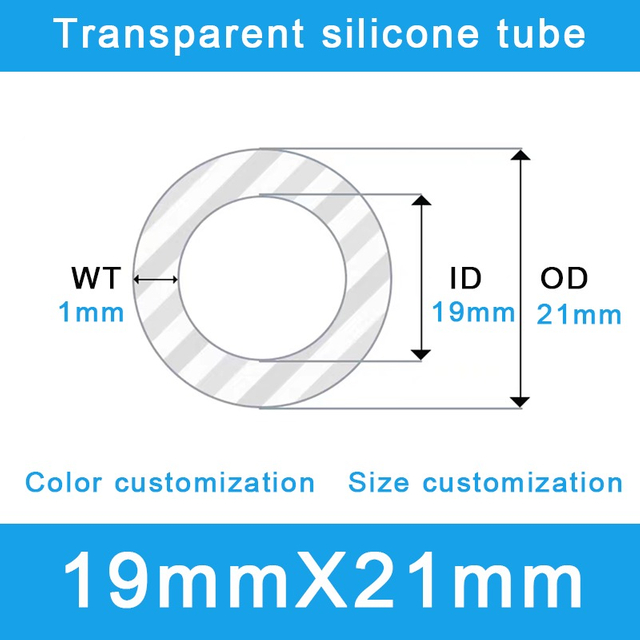
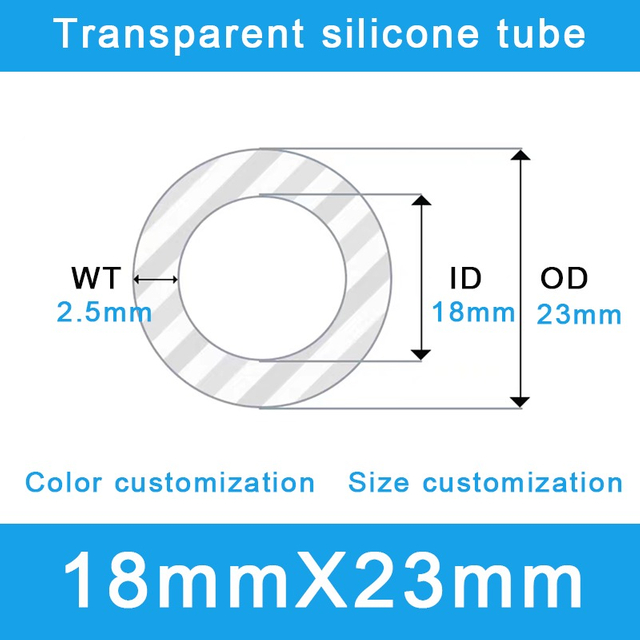
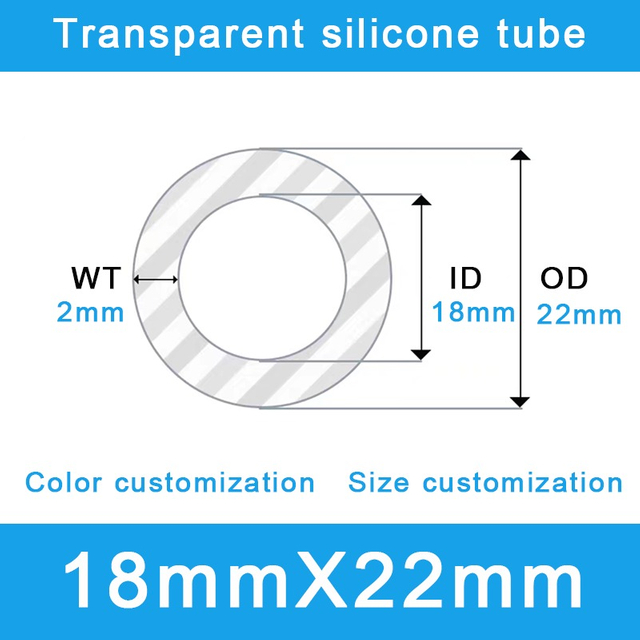
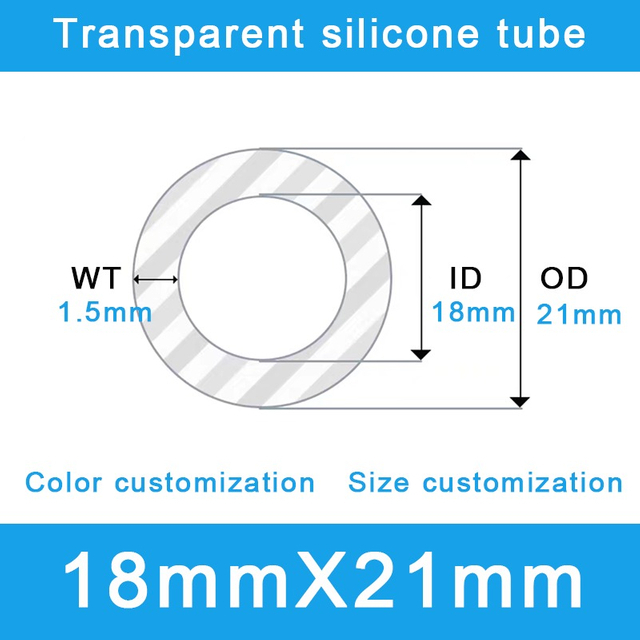
The global silicone tubing market is undergoing a significant transformation. Once viewed merely as a consumable component, silicone tubing has evolved into a critical enabler for high-tech industries ranging from biopharmaceuticals to electric vehicles (EVs).
For business leaders and procurement strategists, understanding these shifts is not just about raw material costs—it is about anticipating the technological demands of the next decade.
In this market analysis, we explore the driving forces behind the industry's growth, the impact of emerging technologies like 3D printing, and the strategic importance of Silicone Tubing in the modern supply chain.
1. Market Overview: A Trajectory of Growth
The global demand for silicone elastomers is projected to grow at a steady CAGR (Compound Annual Growth Rate) over the next five years. This growth is not uniform; it is driven by specific high-value sectors that require materials capable of withstanding extreme conditions.
Key Growth Drivers:
Strict Regulatory Standards: As governments tighten regulations on plastic leaching (BPA/Phthalates), industries are shifting toward the inert safety of silicone.
Aging Population: The rising demand for healthcare services directly correlates with the consumption of medical tubing.
Industrial Automation: High-performance machinery requires hoses that resist heat and fatigue.
2. Sector-Specific Demand Analysis
Healthcare & Biopharma: The Primary Engine
The medical sector remains the largest consumer of high-purity silicone.
Trend: The shift toward Single-Use Systems (SUS) in vaccine and drug manufacturing is exploding. Pharmaceutical companies prefer disposable medical grade silicone tubing assemblies over stainless steel piping to eliminate cross-contamination risks and reduce cleaning costs.
Demand: Increased need for platinum-cured silicone with validated extractables data.
Automotive & EVs: The New Frontier
Electric Vehicles (EVs) run hot. Battery thermal management systems require coolant lines that can handle high temperatures and are electrically insulating.
Food & Beverage: Safety First
Trend: As craft brewing and specialty coffee markets expand globally, the demand for certified food grade silicone tubing is rising. Consumers are more aware of food safety, pushing manufacturers to use FDA-compliant materials.
3. Technological Disruptions: What’s Next?
Innovation is reshaping how silicone tubing is manufactured and used.
3D Printing (Additive Manufacturing)
Historically, silicone was difficult to print. However, breakthroughs in Liquid Silicone Rubber (LSR) printing now allow for complex geometries that extrusion cannot achieve.
Smart Tubing & Industry 4.0
The concept of "Smart Materials" is entering the tubing market.
Innovation: Researchers are developing silicone tubing with embedded sensors to monitor fluid pressure, temperature, or flow rates in real-time. This is a game-changer for automated processing plants.
Antimicrobial Formulations
New compounding technologies allow for the integration of silver ions directly into the silicone matrix, providing active resistance against bacteria—a critical feature for medical catheters.
4. Challenges and Strategic Considerations
Despite the positive outlook, the market faces hurdles that procurement teams must navigate.
Raw Material Volatility: The price of silicon metal can fluctuate due to energy costs and supply chain constraints in major producing regions.
Sustainability Pressure: While silicone is durable, the industry is under pressure to develop better recycling ecosystems to close the loop on product life cycles.
Counterfeit Products: As demand rises, low-quality, non-compliant silicone floods the market. Partnering with a certified manufacturer is crucial to ensure material authenticity.
Stay Ahead of the CurveWhether you need advanced medical tubing or robust industrial hoses, JNGXJ offers Custom Silicone Tubing solutions tailored to these evolving market demands.
5. Conclusion: The Strategic Value of Silicone
The future of silicone tubing is tied to the future of high-tech manufacturing. As industries demand higher purity, higher heat resistance, and smarter integration, silicone remains the material of choice.
For decision-makers, the key is not just buying tubing, but partnering with manufacturers who understand these trends and can provide compliant, future-proof solutions.

Frequently Asked Questions (FAQ)
Q: Why is the price of silicone tubing increasing?
A: Silicone prices are influenced by the cost of raw silicon metal and energy required for production. Global supply chain disruptions and high demand in the EV and solar sectors also impact pricing.
Q: What is the biggest trend in medical silicone tubing?
A: The move toward "Single-Use Technology" (SUT). Biopharma companies are using disposable silicone tubing assemblies to manufacture drugs, reducing the need for sterilization between batches.
Q: Can silicone tubing be 3D printed?
A: Yes, recent advancements in Liquid Silicone Rubber (LSR) technology allow for 3D printing. This is primarily used for prototyping and complex medical implants, though traditional extrusion remains the standard for tubing.
Q: Is silicone tubing sustainable for the future?
A: Yes. Its extreme durability means it needs replacing less often than plastic, reducing waste. Furthermore, the industry is developing better recycling methods to repurpose used silicone into industrial oil.