Silicone tubing is the unsung hero of modern industry. From the precise fluid delivery in life-saving medical devices to the high-temperature resilience required in automotive engines, this versatile material is everywhere.
If you are an engineer, a procurement specialist, or a manufacturer looking for the perfect tubing solution, understanding the nuances of silicone is crucial. In this guide, we will break down the different types of silicone tubing, their specific applications, and how to select the right product for your project.
What is Silicone Tubing and Why is it Important?
Silicone tubing is a flexible, rubber-like tube made from silicone rubber—an elastomer composed of silicone, carbon, hydrogen, and oxygen. Unlike natural rubber, silicone is synthetic, which gives it a unique set of properties that make it indispensable across various sectors.
Key characteristics include:
Thermal Stability: It can withstand extreme temperatures ranging from -60°C to over 200°C without losing flexibility.
Chemical Inertness: It does not react with most chemicals, making it safe for sensitive fluids.
Biocompatibility: High-quality silicone is non-toxic and hypoallergenic.
Durability: It resists UV light, ozone, and weathering, ensuring a long service life.
Decoding the Types of Silicone Tubing
Not all silicone is created equal. Depending on the curing process and the purity of the raw materials, silicone tubing is categorized into three main grades.
1. Medical Grade Silicone Tubing
Safety is paramount in healthcare. Medical grade silicone tubing is manufactured under strict cleanroom conditions to ensure it is free from contaminants. It is typically platinum-cured, which offers superior clarity and purity compared to peroxide-cured alternatives.
Key Standards: Must meet USP Class VI and ISO 10993 standards.
Characteristics: Ultra-smooth bore to prevent bacterial growth, highly flexible, and sterilizable via autoclave or gamma radiation.
2. Food Grade Silicone Tubing
For the food and beverage industry, hygiene is non-negotiable. Food grade silicone tubing is designed to transport consumable liquids without imparting any odor or taste.
Key Standards: Compliant with FDA 21 CFR 177.2600 regulations.
Characteristics: Odorless, tasteless, and resistant to fats and oils found in food processing.
3. Industrial Grade Silicone Tubing
When the environment gets tough, industrial silicone steps in. This type is engineered for mechanical strength and electrical insulation.
Looking for high-performance solutions?Explore our full range of Silicone Tubing Products designed for medical, food, and industrial applications.
Critical Applications by Industry
Understanding the grade helps, but seeing the application brings it to life. Here is where you will find these tubes in action:
Medical & Pharmaceutical
Peristaltic Pumps: The tubing's ability to withstand constant compression and release makes it perfect for fluid transfer pumps.
Catheters & Drains: Biocompatibility ensures patient safety during invasive procedures.
Biopharmaceutical Manufacturing: Transferring sterile vaccines and medicines.
Food & Beverage
Coffee Machines: Handling high-temperature water and steam.
Brewery Hoses: Transferring beer or wine without altering the flavor profile.
Dairy Processing: Hygienic transfer of milk and yogurt.
Industrial & Automotive
Electrical Insulation: Protecting wires in high-voltage environments.
Automotive Gaskets: Sealing engine components against heat and fluids.
Water Treatment: Durable hoses for chemical dosing systems.
How to Choose the Right Silicone Tubing
Selecting the correct tubing goes beyond just picking a grade. Here are four factors to consider before ordering custom silicone tubing:
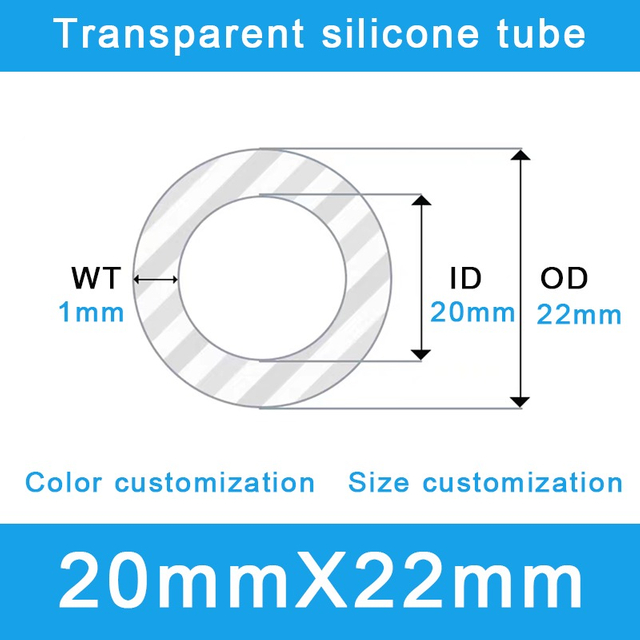
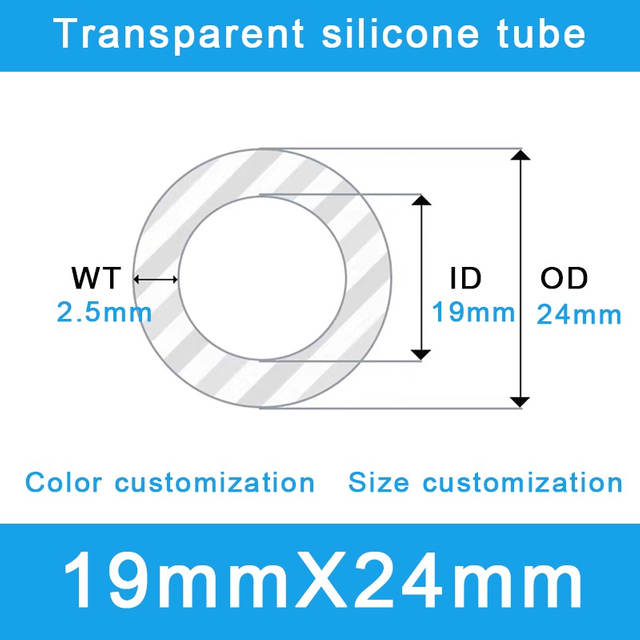
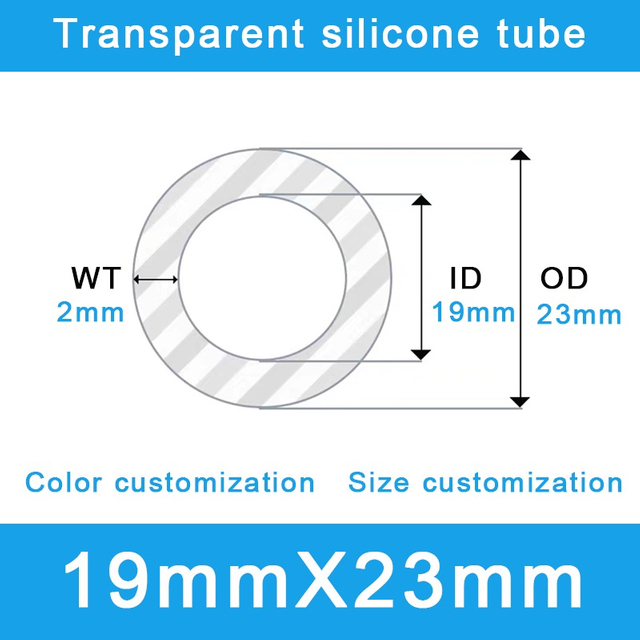
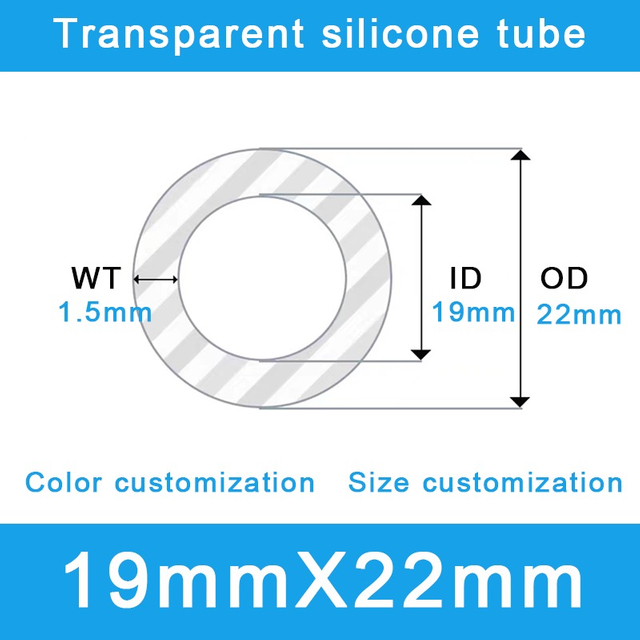
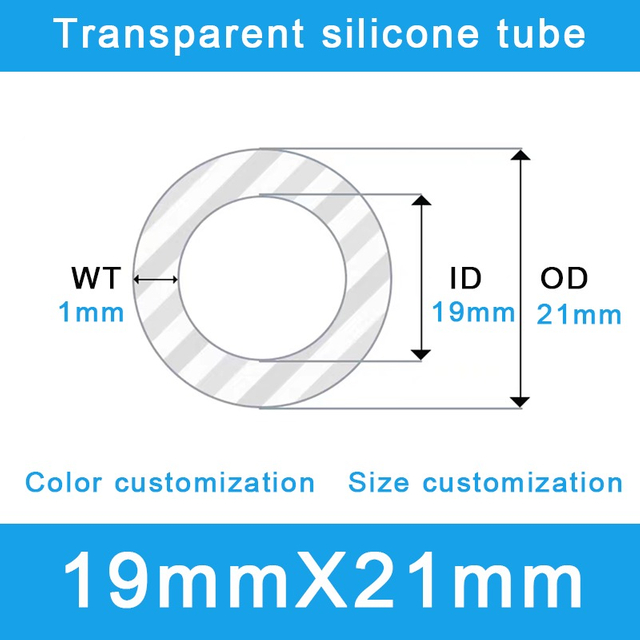
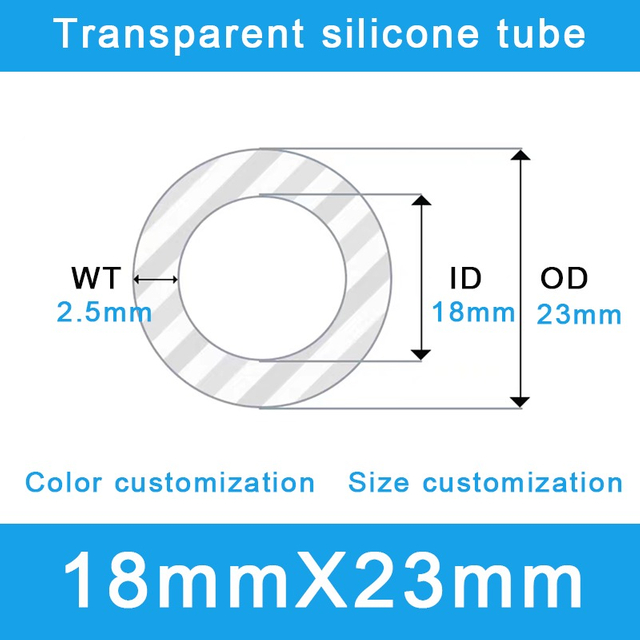
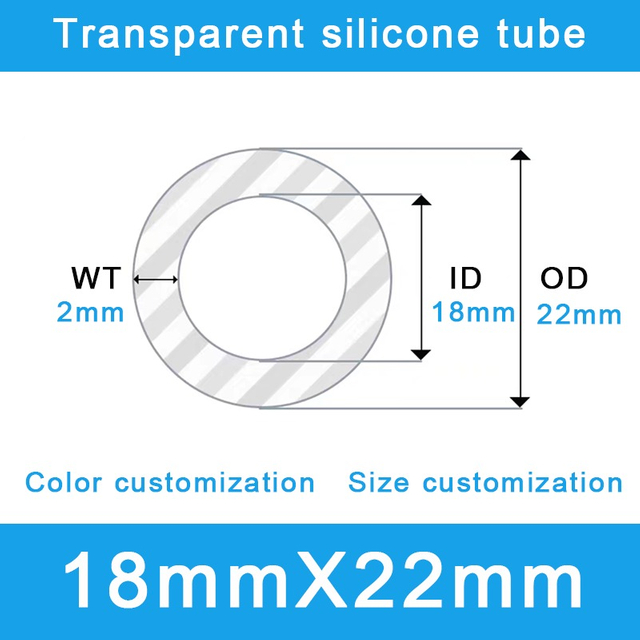
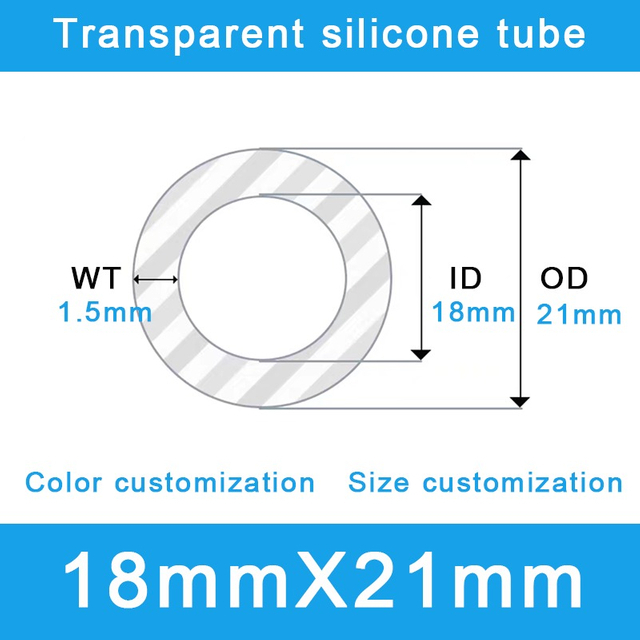
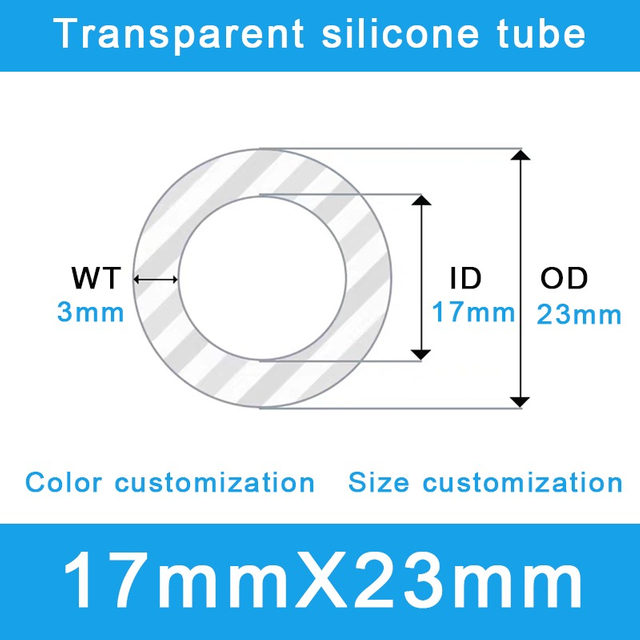
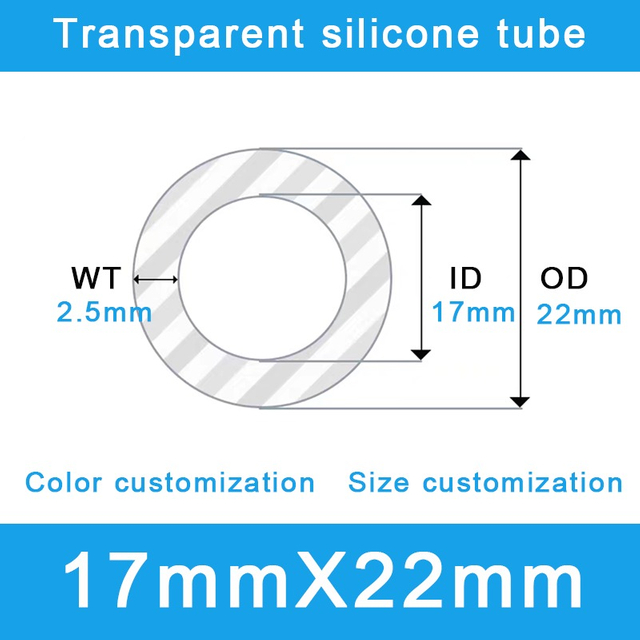
Dimensions (ID/OD): Measure the Inner Diameter (ID) for flow rate and the Outer Diameter (OD) for fitting compatibility. Wall thickness determines the tube's pressure resistance.
Durometer (Hardness): Silicone hardness is measured on the Shore A scale. Soft tubing (Shore 50A) is flexible, while harder tubing (Shore 70A+) is more rigid and pressure-resistant.
Temperature & Pressure: Ensure the tubing's specifications match your operating environment. Reinforced silicone tubing may be necessary for high-pressure applications.
Regulatory Compliance: Always verify certifications (FDA, USP, NSF) relevant to your industry.

Frequently Asked Questions (FAQ)
Here are answers to common questions about silicone tubing to help you make an informed decision.
What is the difference between platinum-cured and peroxide-cured silicone tubing?
Platinum-cured silicone is purer, has higher clarity, and produces no by-products, making it ideal for medical and food applications. Peroxide-cured silicone is generally more cost-effective and durable, suitable for general industrial use.
Can silicone tubing be used for fuel or oil?
Standard silicone is generally not recommended for continuous exposure to gasoline or oil, as it can swell. However, specific fluorosilicone grades are designed to resist fuels and solvents.
Is silicone tubing recyclable?
Yes, silicone is recyclable, but it requires a specialized recycling facility. It is not biodegradable, but it is considered an eco-friendly alternative to plastic because it is durable and does not break down into microplastics easily.
Do you offer custom silicone tubing sizes?
Yes! We specialize in manufacturing Custom Silicone Tubing tailored to your specific hardness, color, and dimensional requirements.