As environmental awareness grows, silicone straws have become a practical alternative to single-use plastic. But have you ever wondered how these flexible, durable straws are actually manufactured? At Chensheng, we've been producing silicone tubing and straws for over a decade, and we're here to walk you through the real production process.
Understanding Silicone Material Composition
Before diving into manufacturing methods, it's important to understand what goes into a quality silicone straw. Medical-grade or food-grade silicone is the foundation—typically a combination of silicone polymer and a curing agent. At our facility, we use platinum-cured silicone for straws, which is safer than peroxide-cured alternatives since it leaves no chemical residue.
The raw material arrives in two parts: the base silicone and the platinum catalyst. These must be stored separately and mixed only during production to prevent premature curing. We also add pigments at this stage if colored straws are required, though many customers prefer the natural translucent finish.

Primary Manufacturing Methods
Extrusion Molding: The Industry Standard
Most silicone straws, including ours at Chensheng, are produced through extrusion molding. Here's why this method dominates the industry:
The mixed silicone compound is fed into an extruder, where a rotating screw pushes the material through a heated barrel. At the end, a precisely machined die shapes the silicone into a continuous tube. The extruded tube then passes through a vulcanization oven—typically a tunnel that's 15-30 meters long—where temperatures between 200-250°C cure the silicone.
What makes extrusion ideal for straws? It creates consistent wall thickness, maintains uniform diameter, and allows for continuous production. We can produce hundreds of meters per hour, which keeps costs reasonable for bulk orders while maintaining quality.
After curing, the continuous tubing is cooled and cut to the desired length—usually 8-10 inches for standard drinking straws.
Injection Molding: For Complex Designs
While less common for straight straws, injection molding works well for bent straws or those with special features like built-in stoppers. The process involves:
Clamping a precision mold (usually aluminum or steel)
Injecting liquid silicone rubber (LSR) under high pressure
Heating the mold to cure the silicone (typically 170-200°C for 30-60 seconds)
Ejecting the finished piece
We use injection molding when clients need straws with curves, collapsible sections, or integrated components. The tooling cost is higher, but it's worthwhile for specialized products.
Compression Molding: Limited Applications
Compression molding is rarely used for straws but occasionally appears in small-batch production. A pre-measured amount of silicone is placed in an open mold, which is then closed and heated under pressure. This method is slower and less precise, so we typically don't recommend it for straw production.

Critical Post-Production Steps
Manufacturing doesn't end when the straw comes out of the mold. Several finishing processes ensure safety and quality:
Deflashing: Extruded straws may have slight irregularities where the material exits the die. These are trimmed away, and edges are smoothed.
Washing: All straws undergo thorough washing to remove any processing residue, dust, or particles. We use purified water and food-safe detergents, followed by multiple rinse cycles.
Post-curing: While the initial vulcanization cures the silicone, an additional post-cure in an oven (usually 4 hours at 200°C) eliminates any remaining volatile compounds. This step is crucial for achieving true food-grade safety.
Quality inspection: Every production batch is tested for:
Inner and outer diameter consistency (we maintain ±0.1mm tolerance)
Tensile strength and tear resistance
Temperature resistance (-40°C to 230°C)
FDA or LFGB food-contact compliance
What Buyers Should Look For
After years of working with distributors, retailers, and brands, we've learned what separates quality silicone straws from inferior products:
Material certification: Insist on FDA-approved or LFGB-certified silicone. Request test reports—reputable manufacturers will provide them without hesitation.
Manufacturing method: Ask whether straws are extruded or molded. For standard straight straws, extrusion typically offers better value and consistency.
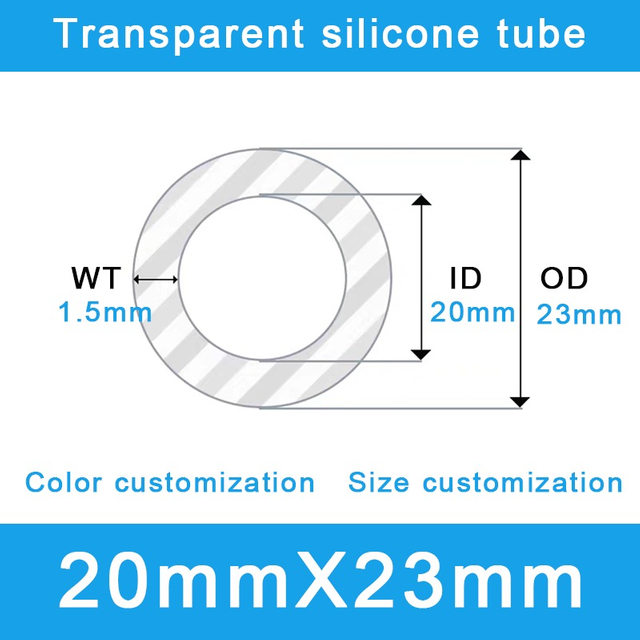
Wall thickness: Thinner walls (around 1mm) make straws more flexible but less durable. We recommend 1.5-2mm for the best balance.
Finish quality: The interior should be completely smooth. Run your finger inside—you shouldn't feel any seams, bumps, or rough spots that could harbor bacteria.
Supplier transparency: A manufacturer who openly discusses their process, as we do, is more likely to maintain high standards. Be cautious of vague descriptions or reluctance to share production details.
Environmental and Safety Considerations
One reason silicone straws have gained traction is their environmental profile. Unlike plastic, silicone doesn't break down into microplastics. It's also more durable than alternatives like paper or bamboo, lasting years with proper care.
From a manufacturing perspective, silicone production does require energy for curing, but the material itself is stable and non-toxic. At Chensheng, we've implemented energy recovery systems in our vulcanization ovens to reduce our carbon footprint.
Safety-wise, platinum-cured silicone is inert and doesn't leach chemicals, even when exposed to hot beverages. This makes it suitable for everything from smoothies to hot coffee.
Custom Manufacturing Capabilities
Many businesses want branded or specialized straws. Here's what's possible:
Custom colors: We can match virtually any Pantone color, though minimum order quantities apply
Diameter variations: From thin cocktail straws (5mm inner diameter) to wide bubble tea straws (12mm)
Length customization: Standard is 215mm, but we produce anywhere from 150mm to 300mm
Packaging options: Individual sleeves, sets with cleaning brushes, or bulk packaging
The key is working with a manufacturer who understands both the technical requirements and your market needs.
Final Thoughts
Understanding how silicone straws are made helps you make better purchasing decisions, whether you're a retailer, brand owner, or bulk buyer. The manufacturing process directly impacts product quality, safety, and price.
At Chensheng, we've refined our extrusion process over thousands of production runs. We know which variables matter and how to maintain consistency across large orders. If you're sourcing silicone straws or exploring custom options, we're happy to discuss your specific requirements and share our technical expertise.
Need custom silicone straws for your business? Contact Chensheng's technical team to discuss specifications, certifications, and production timelines. We provide samples, detailed quotations, and transparent communication throughout the manufacturing process.