If you've ever spent hours trying to figure out why your peristaltic pump tubing keeps failing prematurely, you know how frustrating it can be. We hear this complaint from customers all the time, and usually, it comes down to one thing: material selection mismatch.
Let's walk through everything you need to know to pick the right tubing for your application.
Why Peristaltic Pump Tubing Is Different
Here's the thing about peristaltic pumps—they're tough on tubing. Unlike a simple pipe carrying fluid from point A to point B, peristaltic tubing endures repeated compression, release, and flexing with every pump cycle.
This continuous mechanical stress means that what works for regular fluid transfer won't necessarily work in a peristaltic application. The tubing needs to bounce back, maintain its shape, and resist cracking even after thousands or millions of cycles.
Key Material Properties to Consider
Durometer (Hardness)
You might see this listed as Shore A hardness. For peristaltic pump tubing, softer materials generally offer better fatigue resistance because they compress and release more easily.
50-60 Shore A: Excellent flexibility and flow characteristics, best for lower-pressure applications
60-70 Shore A: Good balance of flexibility and durability, suitable for most general-purpose pumping
70-80 Shore A: Better chemical resistance but may have shorter pump life
Tensile Strength and Elongation
High tensile strength helps the tubing resist tearing during installation and operation. But here's the trade-off: materials with very high tensile strength often have lower elongation, which can reduce fatigue life in peristaltic applications.
Look for materials that offer a good combination of both properties rather than optimizing for just one spec.
Compression Set Resistance
This is crucial. Compression set measures how well a material returns to its original shape after being compressed. In peristaltic pumping, you're compressing the tubing dozens of times per minute, hour after hour.
Materials with poor compression set resistance will gradually flatten and deform, causing:
Decreased flow rates over time
Inconsistent dosing
Premature failure
Silicone generally offers excellent compression set resistance, making it a top choice for demanding peristaltic applications.
Temperature Resistance
Will your application involve hot or cold fluids? Temperature affects viscosity, which impacts pumping performance, and extreme temperatures can accelerate material degradation.
Silicone maintains its flexibility across a wide temperature range (typically -60°C to +230°C), which makes it versatile for both hot and cold fluid transfer.
Matching Tubing to Your Fluid
The fluid you're pumping matters just as much as the pump mechanics.
Aqueous Solutions
Most silicone formulations work well with water-based fluids, biological media, and many pharmaceutical solutions. Platinum-cured silicone is particularly suitable because it doesn't leech extractables into the fluid.
Aggressive Chemicals
If you're pumping solvents, oils, or strong acids, you may need specialty elastomers. Silicone has decent chemical resistance but can be attacked by certain solvents. Always verify compatibility with your specific fluid.
Sensitive Biologicals
For cell cultures, blood products, or other sensitive biologics, consider:
Platinum-cured silicone (minimal extractables)
USP Class VI certified materials
Tygon or PharMed BPT for specific applications
Common Selection Mistakes We See
Prioritizing price over performance
Cheaper tubing might seem like a good cost-saving move, but frequent tubing replacements, production downtime, and quality issues usually end up costing more.
Ignoring sterilization requirements
If your application requires autoclaving, gamma sterilization, or chemical sanitization, make sure your tubing can handle it. Some materials degrade quickly when repeatedly sterilized.
Not considering tubing size carefully
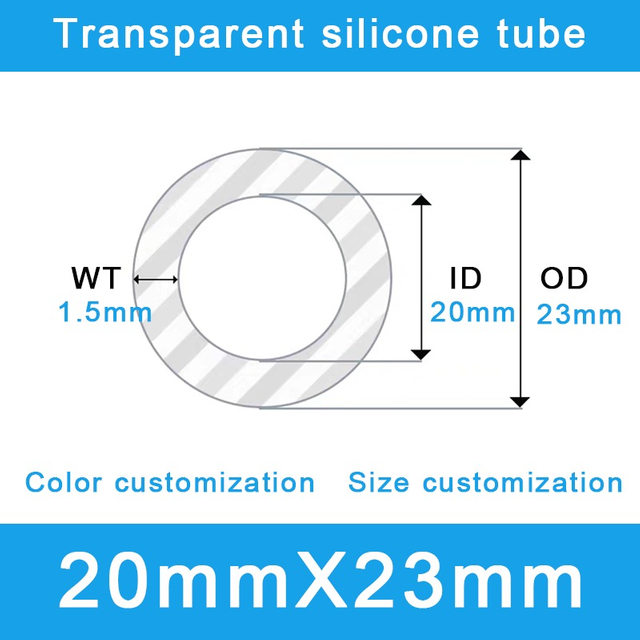
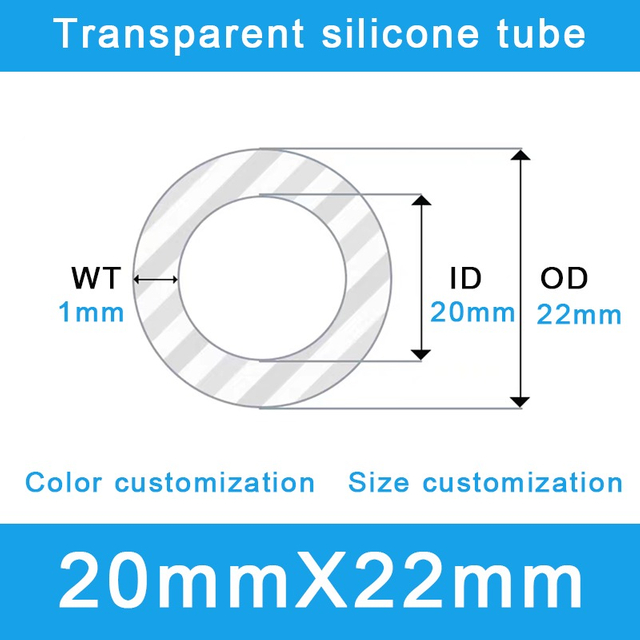
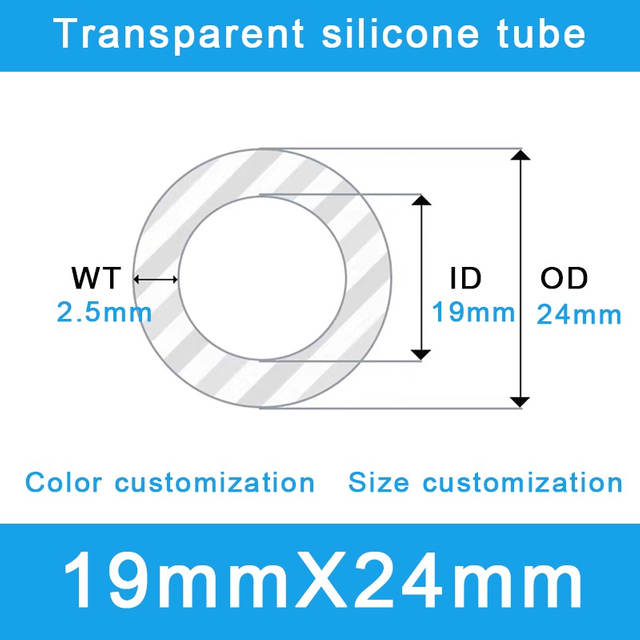
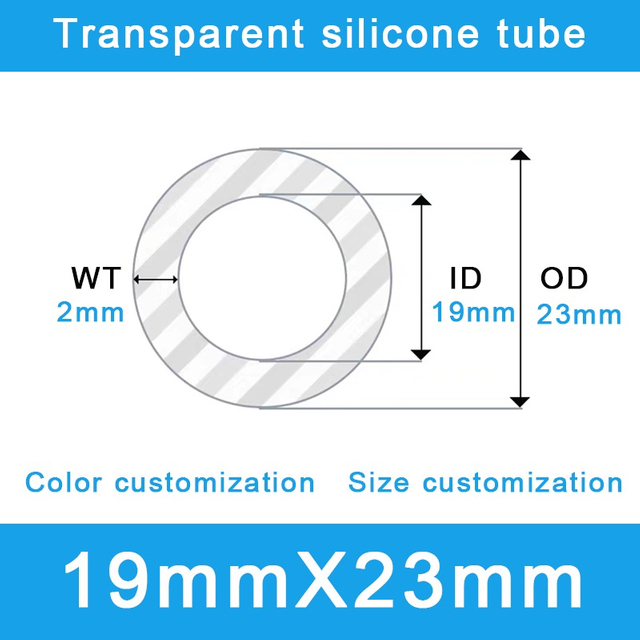
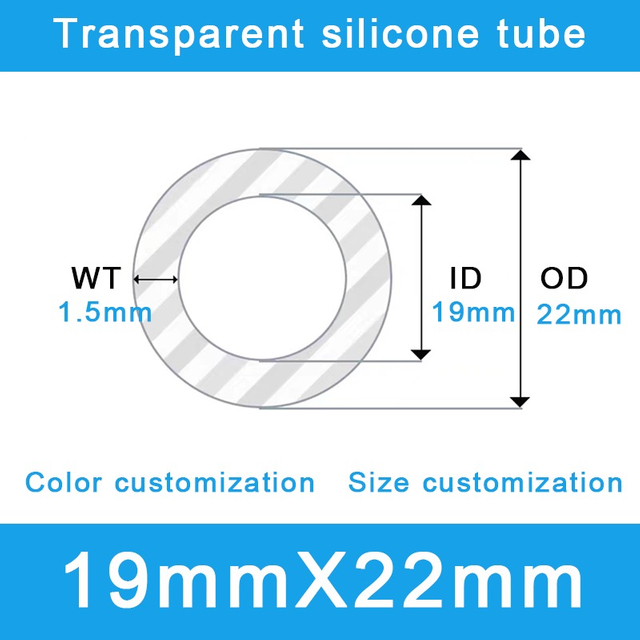
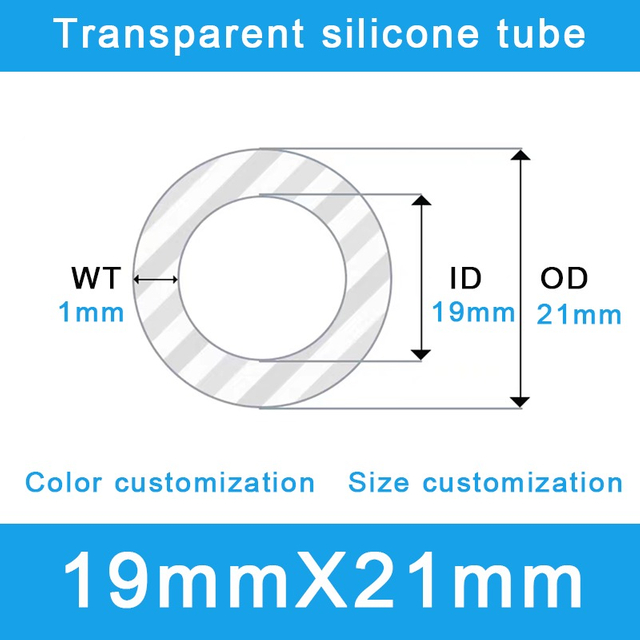
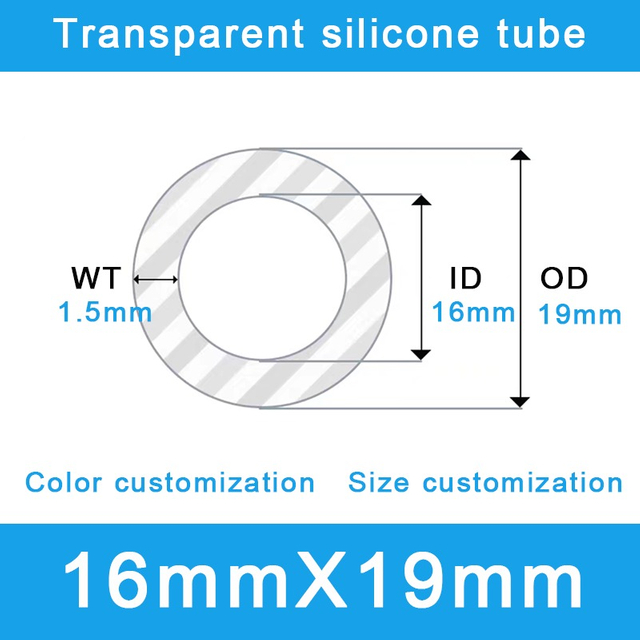
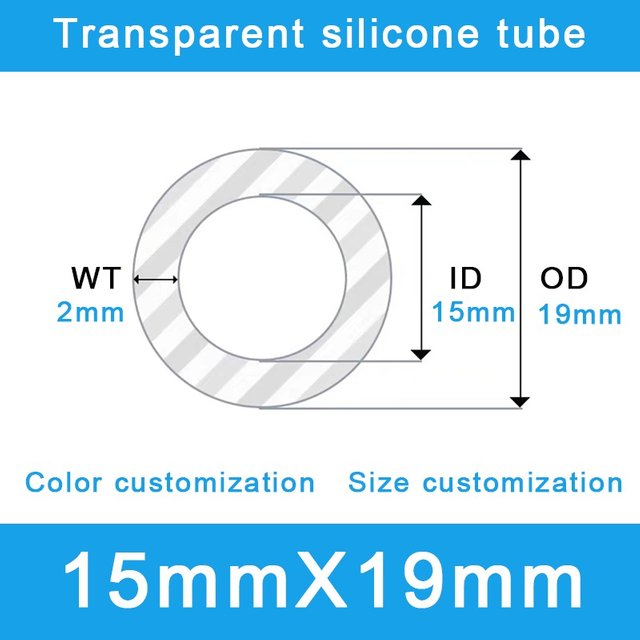
Inner diameter affects flow rate, but wall thickness matters too. Thicker walls last longer but require more pressure to occlude completely. Work with your pump manufacturer's specifications.
How We Help Customers Select the Right Tubing
At Chensheng Medical, we don't just sell tubing—we help you solve problems. When you come to us with your application requirements, we consider:
Regulatory requirements: Food-grade, pharmaceutical, or medical-grade specifications
This comprehensive approach helps us recommend tubing that performs reliably in your specific application, not just in theory.
Making the Switch to Silicone
If you're currently using PVC-based tubing and experiencing frequent failures, silicone might be your solution. Yes, silicone typically costs more per foot, but its superior fatigue resistance often means:
2-5x longer service life
Reduced production downtime
More consistent flow rates
Better compatibility with sensitive fluids
We've helped many customers transition to silicone tubing and reduce their overall peristaltic pump operating costs despite the higher initial material expense.
Ready to Optimize Your Peristaltic Pump Performance?
Whether you're troubleshooting tubing failures or specifying materials for a new application, our engineering team can help you find the right solution.
Contact Us to discuss your peristaltic pump tubing requirements, request samples, or get a custom quotation.
You can also explore more technical resources on our Blog.
Author: Sarah Zhang, Applications Engineer at Chensheng Medical
Sarah specializes in peristaltic pump applications and helps clients optimize their fluid transfer systems for reliability and cost-effectiveness.
Chensheng – China’s Leading Silicone Product Manufacturer
Choose Chensheng, and gain a trusted partner with over 20 years of OEM/ODM expertise. We deeply understand your needs and deliver professional, reliable, and tailored silicone solutions.