If you have ever requested a quote for medical-grade silicone tubing, catheters, or custom molded components, you have almost certainly encountered the question:
"Do you need platinum-cured or peroxide-cured silicone?"
For buyers new to medical silicone procurement, this can feel like an obscure technical detail. In reality, it is one of the most consequential material decisions you will make — directly affecting biocompatibility, regulatory compliance, product performance, and long-term patient safety.
This guide explains exactly what each curing system is, how they differ at a chemical level, and — most importantly — which one your specific application demands.
What Is Silicone "Curing" and Why Does It Matter?
Raw silicone polymer (polydimethylsiloxane, or PDMS) is a viscous liquid or gum. To become a functional elastomer — flexible, strong, and dimensionally stable — it must be crosslinked through a chemical process called curing (also called vulcanization).
The curing system determines:
What chemical by-products are created during the crosslinking reaction
Whether those by-products remain in the finished product
How pure the final material is — and therefore how safe it is for patient contact
The mechanical and optical properties of the cured silicone
There are two dominant curing systems used in medical and industrial silicone manufacturing: platinum-catalyzed addition cure and peroxide-initiated free-radical cure. Understanding the chemistry behind each is the key to making the right material decision.
Platinum-Cured Silicone (Addition Cure)
How It Works
Platinum-cured silicone — also called addition-cure silicone or LSR (Liquid Silicone Rubber) when in liquid form — uses a platinum catalyst to drive a hydrosilylation reaction between vinyl-functional silicone polymer chains and silicon-hydride crosslinkers.
The platinum catalyst is not consumed in the reaction — it acts as a true catalyst. The result is a fully crosslinked silicone network with no chemical by-products.
Key Characteristics
Property
Performance
By-products
None — reaction is 100% addition, zero volatile by-products
Superior — passes USP Class VI, ISO 10993 across all endpoints
Compression set
Excellent — critical for pump tubing and sealing applications
Tensile strength
High (typically 8–12 MPa depending on formulation)
Elongation at break
400–700%
Temperature range
–60°C to +200°C continuous
Shelf life (uncured)
6–12 months (requires controlled storage)
Cost
Higher than peroxide-cured
Why Platinum Cure Is the Standard for Medical Applications
The absence of by-products is not just a chemical footnote — it has profound implications for patient safety:
Zero extractables from curing residues — no organic acids, no ketones, no peroxide decomposition products that could leach into drug solutions, body fluids, or tissue
Consistent biocompatibility lot-to-lot — because there are no variable residual by-products, the biological safety profile is highly reproducible
No post-cure blooming — peroxide-cured silicone can develop a surface bloom of by-products over time; platinum-cured silicone does not
Regulatory acceptance — FDA, EU MDR, and ISO 10993 evaluations for patient-contact applications consistently favor platinum-cured materials
All Chensheng Medical silicone products for medical applications are manufactured using platinum-cured compounds. This is not a premium option — it is our standard for any product intended for patient contact.
Peroxide-Cured Silicone (Free-Radical Cure)
How It Works
Peroxide-cured silicone — also called condensation-cure or HTV (High Temperature Vulcanization) silicone — uses organic peroxides (most commonly dicumyl peroxide or 2,4-dichlorobenzoyl peroxide) as initiators. When heated, the peroxide decomposes into free radicals that abstract hydrogen atoms from the silicone polymer backbone, creating carbon-carbon crosslinks.
The reaction produces chemical by-products — primarily:
Cumyl alcohol → decomposes to acetophenone and alpha-methylstyrene
Benzoic acid and related compounds (from chlorobenzoyl peroxide systems)
Volatile organic compounds (VOCs) released during and after curing
These by-products do not all leave the material during manufacturing. A portion remains trapped within the silicone matrix and can migrate to the surface or leach into contact media over time.
Key Characteristics
Property
Performance
By-products
Yes — organic acids, ketones, VOCs from peroxide decomposition
Post-cure required
Yes — secondary oven post-cure is essential to drive off residual by-products
Optical clarity
Lower — slight haze, less transparent than platinum-cured
Biocompatibility
Acceptable for non-critical applications after proper post-cure; not recommended for sensitive fluid paths
Compression set
Moderate — inferior to platinum-cured for dynamic applications
Tensile strength
Moderate (typically 6–9 MPa)
Elongation at break
300–500%
Temperature range
–50°C to +180°C continuous
Shelf life (uncured)
Longer than platinum-cured (less sensitive to inhibitors)
Cost
Lower than platinum-cured
The Post-Cure Requirement: A Critical Process Step
Peroxide-cured silicone must undergo a secondary post-cure — typically 4 hours at 200°C in a ventilated oven — to volatilize and remove residual peroxide decomposition products. If this step is inadequate or skipped:
Residual acetophenone and other by-products remain in the material
These compounds are cytotoxic — they will cause cell death in ISO 10993-5 cytotoxicity testing
Surface blooming may occur — a visible film of by-products on the silicone surface
The material may emit an odor characteristic of acetophenone (sweet, floral smell)
The quality of post-cure is not visible from the outside. This is why peroxide-cured silicone from an unqualified supplier carries higher risk — there is no way to verify adequate post-cure without laboratory testing.
Head-to-Head Comparison: Platinum vs. Peroxide
Comparison Factor
Platinum-Cured
Peroxide-Cured
Chemical by-products
None
Yes — requires post-cure to remove
Extractables / leachables
Minimal
Higher — especially if post-cure is inadequate
Biocompatibility (ISO 10993)
Excellent across all endpoints
Variable — depends on post-cure quality
USP Class VI
Passes consistently
Passes if properly post-cured
Optical clarity
Near-transparent
Slight haze
Compression set resistance
Excellent (≤10% at 70h/175°C)
Moderate (15–25% typical)
Tensile strength
Higher
Moderate
Elongation
Higher
Moderate
Surface bloom risk
None
Present if post-cure incomplete
Lot-to-lot consistency
High
Moderate — depends on process control
Platinum inhibition risk
Yes (sulfur, tin, amines inhibit cure)
No
Raw material cost
Higher
Lower
Finished product cost
15–30% premium over peroxide
Lower
Recommended for medical use
✅ Yes — all patient-contact applications
⚠️ Limited — non-critical, non-fluid-contact only
Application-by-Application Guidance
✅ Applications Where Platinum Cure Is Required
1. Pharmaceutical fluid transfer tubingDrug solutions are chemically sensitive. Even trace levels of acetophenone or organic acid extractables from peroxide-cured silicone can degrade active pharmaceutical ingredients (APIs), alter pH, or fail extractables and leachables (E&L) testing. Platinum-cured silicone is the only acceptable choice for drug-contact fluid paths.
2. Peristaltic pump tubingPeristaltic pump tubing undergoes continuous compression and recovery cycles — sometimes millions of cycles over its service life. Superior compression set resistance is essential to prevent flow rate drift. Platinum-cured silicone's lower compression set (typically <10% vs. 15–25% for peroxide-cured) directly translates to longer pump tube life and more accurate fluid delivery.
3. Foley catheters and urinary drainageUrinary catheters remain in contact with sensitive mucosal tissue for extended periods — sometimes weeks. Any extractable by-products from peroxide curing can cause local irritation, cytotoxicity, or contribute to biofilm formation. Platinum-cured silicone's chemical purity and smooth surface finish are essential for this application.
4. Respiratory and anesthesia circuitsBreathing circuits carry humidified gas mixtures directly to the patient's airway. Volatile by-products from peroxide-cured silicone could theoretically be inhaled. Platinum-cured silicone eliminates this risk entirely.
5. Implantable and long-term tissue contact devicesFor any device with prolonged (>30 days) or permanent tissue contact, platinum-cured silicone is the regulatory and clinical standard. The absence of extractable by-products is critical for chronic biocompatibility.
6. Neonatal and pediatric applicationsSmaller patients — particularly neonates — are more vulnerable to chemical exposures. Platinum-cured silicone's superior purity profile is especially important in these populations.
⚠️ Applications Where Peroxide Cure May Be Acceptable
1. External-contact industrial and consumer applicationsGaskets, seals, and tubing with no patient contact or drug/food contact — where cost is the primary driver and biocompatibility requirements are minimal.
2. Short-duration, non-fluid-contact medical accessoriesCertain external device components with limited skin contact and no fluid path involvement may be acceptable with properly post-cured peroxide silicone — provided ISO 10993-5 cytotoxicity testing confirms the specific lot passes.
3. High-volume, cost-sensitive non-critical applicationsWhere the application genuinely does not require the purity level of platinum-cured silicone, and where rigorous post-cure quality control is in place at the manufacturer.
Important: Even for these applications, we strongly recommend requesting ISO 10993-5 cytotoxicity test data on the specific production lot before use. Post-cure quality is process-dependent and not visible without testing.
The Platinum Inhibition Issue: What Buyers Should Know
Platinum-cured silicone has one notable vulnerability that peroxide-cured silicone does not: platinum catalyst inhibition.
Certain substances can poison the platinum catalyst, preventing or retarding cure. Common inhibitors include:
Sulfur and sulfur-containing compounds — including some rubber gloves, adhesives, and mold release agents
Organotin compounds — used in some condensation-cure silicones and PVC stabilizers
Nitrogen-containing compounds — certain amines and polyurethanes
Phosphorus compounds
Practical implication for buyers: If you are using platinum-cured silicone components in assemblies that include other materials, ensure those materials do not contain platinum inhibitors. Contamination during handling or assembly can cause localized cure failure — a sticky, uncured surface on an otherwise cured part.
This is a manufacturing process issue, not a material safety issue. A qualified manufacturer like Chensheng Medical has strict protocols to prevent inhibitor contamination throughout production.
How to Verify Which Curing System Your Supplier Is Using
Suppliers do not always volunteer this information clearly. Here is how to verify:
Ask directly:
"Is this product manufactured using platinum-catalyzed addition cure or peroxide-initiated cure? Can you confirm this in writing on the material datasheet?"
Review the material datasheet (TDS):
Platinum-cured products will typically reference "addition cure," "platinum catalyst," or "LSR" (Liquid Silicone Rubber for injection-molded parts)
Peroxide-cured products may reference "HTV" (High Temperature Vulcanization), "peroxide cure," or specific peroxide initiators
Check the extractables profile:
Request an extractables test report. Platinum-cured silicone will show minimal extractables. Peroxide-cured silicone will show acetophenone, cumyl alcohol, or benzoic acid derivatives — even after post-cure.
Smell test (informal but useful):
Properly post-cured peroxide silicone may still retain a faint sweet/floral odor from residual acetophenone. Platinum-cured silicone is essentially odorless.
ISO 10993-5 cytotoxicity result:
Platinum-cured silicone consistently passes with high cell viability margins. Peroxide-cured silicone with inadequate post-cure will fail or show borderline results.
Platinum-cured silicone typically costs 15–30% more than equivalent peroxide-cured material. For buyers focused on cost optimization, this premium deserves scrutiny.
The True Cost of the Wrong Choice
Consider what a peroxide-cured material failure actually costs:
Against these risks, the 15–30% material cost premium for platinum-cured silicone is not a cost — it is risk mitigation.
For high-volume, cost-sensitive applications where peroxide cure is genuinely appropriate, the savings can be meaningful. But for any application involving patient contact, fluid paths, or regulated device submissions, the cost of getting it wrong far exceeds the cost of platinum cure.
Chensheng Medical: Platinum Cure as Standard Practice
At Jinan Chensheng Medical Technology Co., Ltd., we made a deliberate decision to standardize on platinum-cured silicone compounds for all medical-grade products. This is not a premium tier — it is our baseline for anything that contacts patients, drug solutions, or body fluids.
Our platinum-cured medical silicone product range includes:
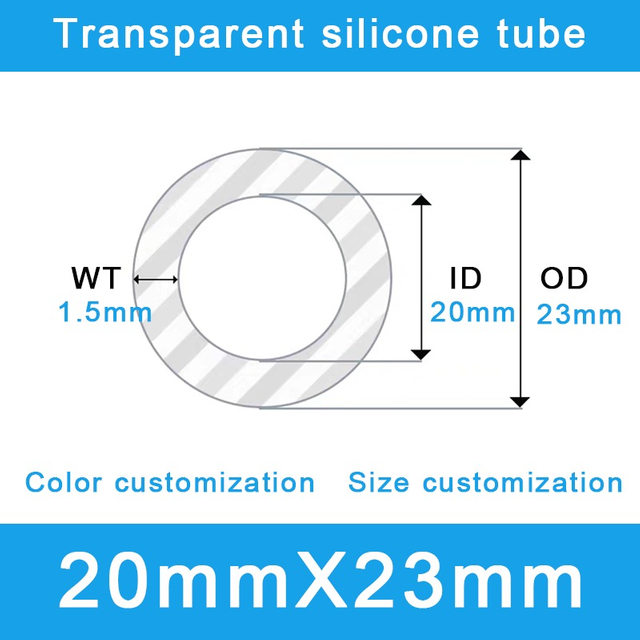
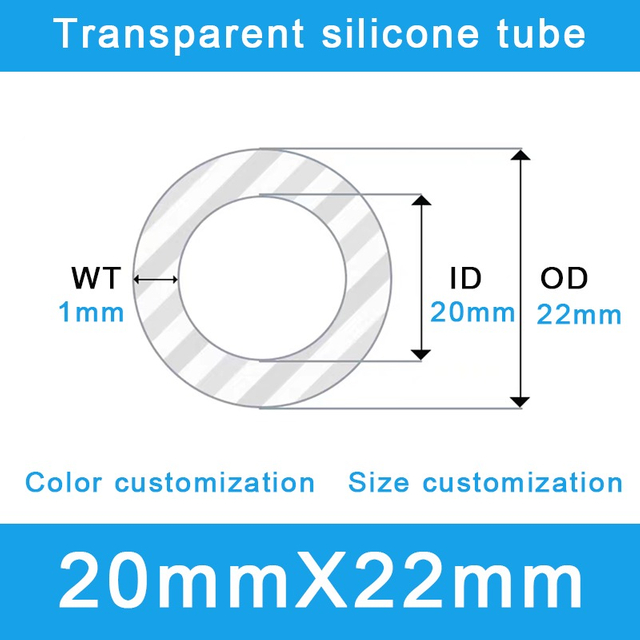
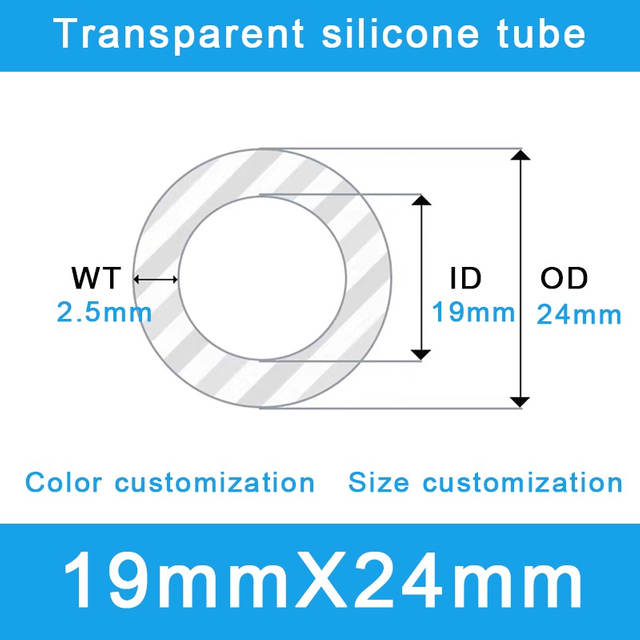
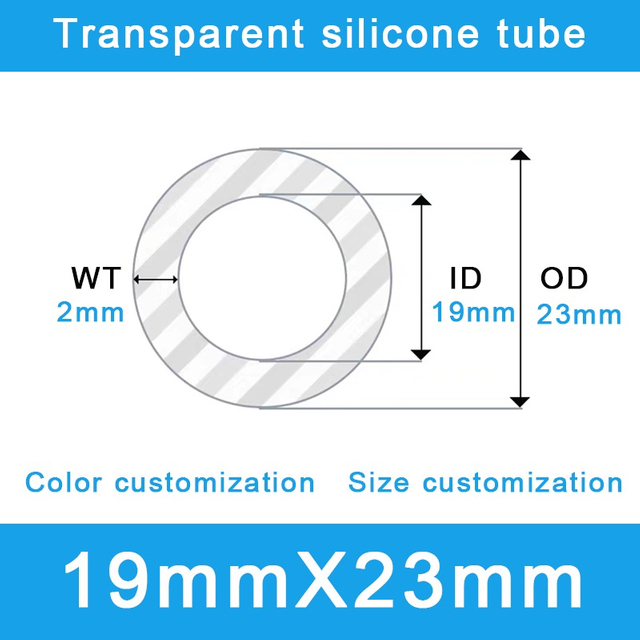
Medical Silicone Tubing — precision-extruded, ±0.05mm tolerance, USP Class VI · ISO 10993 certified
Q1: Can I request platinum-cured silicone for a custom OEM product that is currently being made in peroxide-cured material?
A: Yes. If you are transitioning an existing product from peroxide-cured to platinum-cured silicone, we can develop a platinum-cured formulation matched to your dimensional and mechanical specifications. Note that the transition will require re-qualification testing (at minimum ISO 10993-5 cytotoxicity on the new compound) before use in regulated devices. Our engineering team can guide you through the re-qualification process.
Q2: Does platinum-cured silicone require any special storage or handling?
A: Uncured platinum-cured silicone compound requires controlled storage — typically away from sulfur-containing materials, organotin compounds, and other platinum inhibitors. Finished, cured platinum-cured silicone products have no special storage requirements beyond standard medical device storage conditions (cool, dry, away from UV light and ozone). Shelf life for finished products is typically 3–5 years under recommended storage conditions.
Q3: Is all LSR (Liquid Silicone Rubber) platinum-cured?
A: Yes — LSR by definition uses platinum-catalyzed addition cure chemistry. LSR is the liquid form of platinum-cured silicone, processed by injection molding. HTV (High Temperature Vulcanization) silicone can be either platinum-cured or peroxide-cured depending on the compound formulation. Always confirm the curing system with the manufacturer regardless of the product form.
Q4: Can platinum-cured silicone be sterilized by all standard methods?
A: Yes. Platinum-cured silicone is compatible with all major sterilization methods used in medical device manufacturing: autoclave (steam sterilization at 121°C or 134°C), ethylene oxide (EtO), gamma irradiation, and electron beam (E-beam). It maintains its mechanical properties and biocompatibility profile through multiple sterilization cycles. Specific sterilization validation data is available upon request.
Q5: What Shore A hardness range is available in platinum-cured silicone?
A: Platinum-cured silicone is available across a wide hardness range — typically Shore A 10 to Shore A 80 — allowing precise tuning of flexibility and stiffness for your application. For medical tubing, Shore A 40–65 is most common. For soft tissue-contact components, Shore A 10–30 formulations are available. Our engineering team can recommend the optimal hardness for your specific application and help you select from our standard compound library or develop a custom formulation.
Q6: How do I confirm that the platinum-cured silicone I receive is genuinely platinum-cured and not mislabeled peroxide-cured material?
A: The most reliable verification method is extractables testing — specifically, testing for acetophenone, cumyl alcohol, and benzoic acid derivatives that are characteristic of peroxide cure by-products. A genuine platinum-cured silicone will show none of these compounds. At Chensheng Medical, we provide material composition disclosure (under NDA) and extractables data with every medical-grade order, so you can verify the curing system independently.
Q7: Is there a cost-effective way to use platinum-cured silicone for high-volume, cost-sensitive medical applications?
A: Yes. The cost premium for platinum-cured silicone is primarily in the raw compound cost. For high-volume applications, we work with customers to optimize formulations, minimize material waste in the manufacturing process, and leverage volume pricing on raw materials. In many cases, the total cost difference between platinum-cured and peroxide-cured finished products is smaller than buyers expect — especially when the cost of biocompatibility re-testing and regulatory risk is factored in. Contact our team for a volume-specific quotation.
Q8: We are developing a new medical device and are not sure which silicone grade to specify. Can Chensheng Medical provide material selection support?
A: Absolutely. Material selection support is one of our core OEM services. Our applications engineering team will review your device design, intended use, contact duration, sterilization requirements, and target markets, and recommend the optimal silicone formulation — including curing system, hardness, and any special properties (e.g., radiopaque, antimicrobial, colored). We can also provide prototype samples in multiple formulations for comparative testing. Contact us to start the conversation.
Ready to Specify Platinum-Cured Silicone for Your Application?
Whether you are qualifying materials for a new device, replacing a peroxide-cured component, or simply want to verify that your current silicone supply meets the standard your application requires, our team is ready to help.
What we offer:
Free platinum-cured silicone samples for qualification testing
Full material documentation: TDS · SDS · CoA · ISO 10993 reports · USP Class VI reports
Custom formulation development for OEM applications
Application engineering consultation — no obligation
Chensheng – China’s Leading Silicone Product Manufacturer
Choose Chensheng, and gain a trusted partner with over 20 years of OEM/ODM expertise. We deeply understand your needs and deliver professional, reliable, and tailored silicone solutions.